The Ultimate Guide to AI Headshots (2026): Everything You Need to Know About AI‑Generated Professional Photography
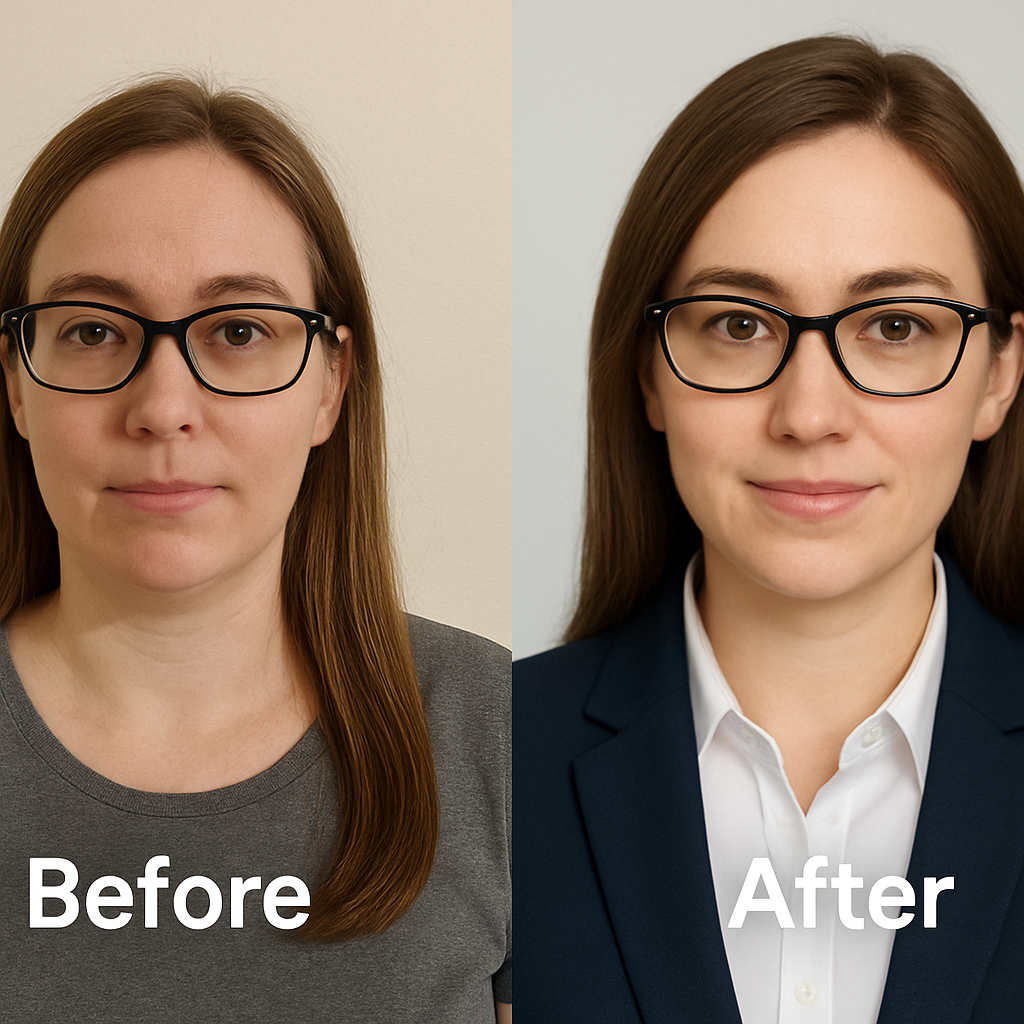
The professional photography landscape has undergone a seismic shift over the last twenty-four months. We have moved from a model defined by high friction—scheduling weeks in advance, traveling to studios, and spending hundreds of dollars—to an era of immediate, algorithmic accessibility. In 2026, the barrier to entry for a high-quality professional image has effectively collapsed. The modern professional does not need a studio appointment; they need a dataset and a processor.
This transition is not merely a technological novelty. It is a fundamental realignment of how we construct professional identity in a remote-first economy. Global hiring and digital-first networking have transformed the headshot from a "nice-to-have" asset into a critical conversion tool for LinkedIn profiles and company directories. NovaHeadshot has positioned itself at the center of this shift, offering a solution that strips away the logistical overhead of traditional photography while maintaining the visual authority required for executive presence.
The economic implications are stark. Traditional studio sessions in the United States currently command a median price of approximately $250, with turnaround times measured in days or weeks. In contrast, AI-powered solutions deliver studio-quality results for roughly $29 in under twenty minutes. For professionals seeking to upgrade their digital presence immediately, the return on investment with AI generation has become undeniable. This guide explores the mechanics, economics, and strategy of deploying AI headshots in 2026.
1. Introduction: Why AI Headshots Matter in 2026
The shift from analog to algorithmic photography was driven by necessity. As remote work stabilized at approximately thirty-five percent of professional employment in developed economies, the logistics of organizing team photoshoots became untenable. Distributed teams cannot coordinate physical studio time, yet the need for visual cohesion across company directories has never been higher.
We are witnessing a decoupling of "professional imagery" from "professional photographers." This does not eliminate the need for artists, but it redefines the commodity market for standard business portraits. The value proposition of AI headshots lies in their efficiency. You obtain a portfolio of high-resolution, commercially licensed images for a fraction of the legacy cost.
NovaHeadshot addresses this specific market need: providing AI-powered headshots that look real and natural. The platform is engineered for professionals who demand studio-quality results without the studio price. By leveraging advanced diffusion models, we bridge the gap between the convenience of a selfie and the authority of a studio portrait.
2. What Is an AI Headshot (in 2026)?
Definitions in this space are often muddied by marketing hype. To be precise, an AI-generated professional headshot in 2026 is a synthetic, portrait-style image created by artificial intelligence that depicts a realistic human face. These images are optimized specifically for professional contexts such as LinkedIn, resumes, and corporate speaker profiles.
It is equally important to define what an AI headshot is not. It is not a cartoon avatar, a caricature, or an artistic filter applied to an existing photo. Nor is it a crude "face swap" where your features are pasted onto a stock model's body.
A high-quality AI headshot must possess specific characteristics to be viable in a professional setting:
- Visual Realism: It must exhibit natural skin texture, including pores and fine lines, avoiding the "plastic" look of early generative models.
- Lighting Physics: It must replicate complex studio lighting setups, such as three-point lighting, with accurate shadow fall and catchlights in the eyes.
- Identity Retention: The final image must be an accurate likeness of the subject, ensuring that a colleague meeting you on a video call recognizes the person in the photo.
3. How AI Headshot Generators Work (Without the Hype)
The mechanism behind AI headshots is not magic; it is advanced pattern recognition and synthesis. The process follows a structured workflow designed to translate raw data into polished imagery.
1. Upload Reference Photos
The user provides a training set, typically 8 to 15 existing photos or selfies. The quality of this input data is the single highest leverage point for the user. The system requires variety in angles, lighting conditions, and expressions to build a robust understanding of facial topology.
2. Model Training / Identity Learning
The AI performs a facial feature analysis. It maps the subject's unique facial structure—bone structure, eye distance, and asymmetries—into a mathematical representation. This creates a custom neural network or a fine-tuned instance of a model (like Stable Diffusion) specific to that user.
3. Generation
Once trained, the model generates new images from scratch. It does not "edit" the uploads; it dreams up entirely new compositions based on the learned facial data, placing the subject in professional attire and environments. Platforms typically generate dozens of variations in a single batch.
4. Filtering & Delivery
A critical step in 2026 is the automated curation layer. The system filters out artifacts—distorted hands or uncanny eyes—before delivering the final set. NovaHeadshot optimizes this pipeline for speed, delivering high-resolution downloads with commercial usage rights in approximately 10–20 minutes on standard loads, compared to the hours required by older models.
4. Why 2026 Is a Breakthrough Year for AI Headshots
The technology landscape has evolved rapidly since the initial surge of generative AI in 2024. The difference between a 2024 AI headshot and a 2026 AI headshot is comparable to the leap from VHS to 4K resolution.
Better Realism and Micro-Details Current models have solved the "smoothing" issue. Early iterations aggressively smoothed skin to mask imperfections, resulting in an artificial, airbrushed aesthetic. Modern engines preserve skin texture and hair strands. A key indicator of quality today is imperfection; as noted in industry analysis, "perfect skin is dead" because flawless retouching now signals artificiality to the viewer.
Improved Identity Consistency The "face drift" problem—where the subject looks slightly different in every photo—has been largely resolved. Improved identity preservation mechanisms ensure that the facial structure remains constant across different lighting scenarios and poses.
Smarter Editing Models Modern editing engines can now handle subtle color grading and lighting corrections autonomously. This has facilitated mainstream adoption. HR departments and recruiters, who were once skeptical, now frequently prefer AI headshots. Data indicates that 76% of recruiters actively prefer AI-generated images over poor-quality traditional photos due to better lighting and composition consistency.
NovaHeadshot is built on this new generation of architecture: AI‑powered headshots that look real and natural — in minutes.
5. AI Headshots vs. Traditional Photography
To understand the value proposition, we must look at the unit economics and logistics.
| Feature | Traditional Photography | AI Headshots (NovaHeadshot) |
|---|---|---|
| Cost | $250–$450+ per session | Starts around $29 |
| Time Investment | 1–3 hours (plus travel) | 15–20 minutes (from home) |
| Turnaround | 5–14 days for retouching | Minutes |
| Output Volume | 3–10 final images | 40–100+ variations |
| Logistics | Booking, travel, grooming | Asynchronous, on-demand |
Experience Traditional photography involves inherent friction: scheduling conflicts, camera anxiety, and limited wardrobe changes. AI generation removes these barriers. You can generate a full portfolio of corporate, creative, and casual looks from a single upload session in your living room.
When a Real Photographer Still Makes Sense AI has not replaced the need for high-stakes artistry. For editorial magazine covers, complex on-location brand storytelling, or weddings, the human photographer remains essential. However, for the 90% of use cases—LinkedIn, Slack profiles, email signatures—AI headshots are now the rational, cost-effective alternative.
6. NovaHeadshot vs. Free AI Tools & Generic Image Generators
Not all AI is created equal. The market is bifurcated between specialized professional tools and generic generators.
6.1 The Problems with Free Tools
Free or general-purpose tools are often trained for artistic abstraction rather than photorealism. They frequently produce:
- Warped facial symmetry.
- Hallucinations (artifacts) in backgrounds or clothing.
- Data privacy risks regarding how facial data is stored or reused.
- The "plastic" skin effect that destroys professional credibility.
6.2 Why Use a Dedicated AI Headshot Service
Users evaluating platforms should focus on specific KPIs: visual realism, facial consistency, and commercial rights. NovaHeadshot is engineered with a dedicated focus on professional headshots. Unlike generalist tools that require complex prompt engineering ("/imagine a man in a suit..."), our system is hard-coded for the visual language of business.
We offer a faster turnaround and a transparent one-time purchase model. You avoid the subscription fatigue common in the SaaS landscape.
Choose Your Package and secure your professional assets today.
7. How to Choose the Right AI Headshot Generator (Checklist)
When evaluating the landscape, apply this rigorous filter to ensure you select a tool that delivers ROI:
- Specialization: Does the platform focus exclusively on headshots, or is it a generic image toy?
- Realism: Do the sample results show skin texture, or do they look like paintings?
- Velocity: Can you get results in minutes, or must you wait 24 hours?
- Unit Economics: What is the cost per usable image?
- Data Sovereignty: Does the platform delete your data after generation? (NovaHeadshot prioritizes user privacy).
- UX Friction: Is the upload process streamlined?
- Style Range: Can you generate outdoor, studio, and office backgrounds?
- Pricing Model: Look for clear, one-time pricing rather than hidden recurring subscriptions.
NovaHeadshot checks every box: one‑time payment, no subscription, and professional results.
8. Getting the Best Results: How to Take Reference Photos
The output quality of any AI model is deterministically linked to the quality of the input data. Garbage in, garbage out.
8.1 How Many Photos?
Aim for 8–15 clear photos. The algorithm needs data points. Providing too few photos forces the AI to "guess" your facial structure, leading to lower likeness scores.
8.2 What Kind of Photos to Upload
- Lighting: Use natural daylight. Avoid harsh flash or deep shadows that obscure facial topography.
- Angles: The AI constructs a 3D understanding of your face. Provide straight-on shots, 45-degree profiles, and slight tilts.
- Framing: Ensure your face and shoulders are clearly visible. Avoid photos where you are a distant figure in a landscape.
8.3 Clothing & Style in Input Photos
Wear simple, solid colors. The AI is capable of "dressing" you in new clothes, but busy patterns in source photos can sometimes bleed into the generated results as artifacts. Neutral tones—navy, black, gray—provide the cleanest training data.
9. Choosing Your Headshot Style (Use‑Case Guide)
Context dictates style. A single professional often needs different visual assets for different platforms.
9.1 LinkedIn & Corporate Profiles
The goal here is trust and competence. Recommended looks include classic studio backgrounds (grey or charcoal) with business attire. The expression should be confident and approachable.
9.2 Resumes & Personal Websites
Personal branding allows for more latitude. A horizontal crop with a soft-focus office background can serve as a hero image on a personal landing page.
9.3 Freelancers, Creators & Entrepreneurs
Dynamic poses and outdoor backgrounds signal creativity and energy. While corporate users might stick to suits, creators can leverage "smart casual" styles generated by the AI to appear modern and accessible.
9.4 Team & Company Headshots
For organizations, consistency is the primary metric. Using a platform like NovaHeadshot allows a distributed company to standardize their "About Us" page without flying employees to a central hub. Platforms like Secta Labs and NovaHeadshot have features that cater to these volume needs, ensuring uniform lighting and background styles across diverse teams.
10. Using AI Headshots Across Your Professional Presence
Once you have your assets, deploy them strategically. On LinkedIn, crop the image so your face fills approximately 60% of the circle; eyes should be in the top third of the frame. For speaker profiles, ensure you provide high-resolution files that can withstand projection on large screens at conferences.
Freelancers on platforms like Upwork or Toptal should test different headshot variations to see which yields higher click-through rates. The low cost of AI generation allows for this kind of A/B testing, which was previously cost-prohibitive.
11. Ethical, Practical & Privacy Considerations
We must address the ethical dimension. Is using an AI headshot deceptive? The consensus in 2026 is that if the image is a realistic representation of how you look—not an age-regressed or idealized fantasy—it is functionally identical to a retouched photograph.
Data & Privacy Security is paramount. Users must scrutinize how platforms handle biometric data. Reputable services delete input photos shortly after generation. Always verify that you retain commercial usage rights to your generated images.
Bias & Fairness It is a known issue that some generative models struggle with diverse skin tones due to imbalanced training data. However, top-tier platforms have implemented specific fine-tuning to mitigate this. It is advisable to review platform samples to ensure they can accurately render your specific demographic traits.
NovaHeadshot is built for realistic, professional results, prioritizing authenticity over "deepfake" style manipulation.
12. Common Problems with AI Headshots (and How to Avoid Them)
Low-quality generation often manifests in specific ways.
- Uncanny Eyes: Often caused by blurry input photos. Ensure your source selfies are sharp.
- Plastic Skin: A symptom of older models or aggressive filtering. Choose a modern provider like NovaHeadshot that values texture.
- Identity Drift: If the result doesn't look like you, it is usually because the input photos contained heavy filters or extreme makeup that confused the model's baseline of your face.
- Artifacts: Odd background elements. Review your images before publishing; while AI is powerful, human curation of the final selection is still best practice.
13. Who AI Headshots Are (and Aren't) Right For
Ideal Candidates
This technology is the optimal solution for:
- Job seekers needing an immediate competitive edge.
- Executives and founders requiring updated PR assets.
- Remote teams needing a unified visual brand.
- Consultants and freelancers managing personal brands.
When You Might Still Prefer a Photographer
If you require a complex environmental portrait—for example, a chef in a busy kitchen or an architect on a construction site—traditional photography provides the necessary control over the physical environment.
For the vast majority of professionals, however, AI‑powered headshots that look real and natural are more than sufficient. They are efficient, scalable, and high-quality.
14. Why Choose NovaHeadshot in 2026
NovaHeadshot differentiates itself through a commitment to professional realism and speed.
- AI‑Powered Headshot Generation: We utilize state-of-the-art models tuned specifically for professional photorealism.
- Speed: Delivery in 10–20 minutes.
- Variety: Access classic corporate, modern startup, and creative studio styles.
- Rights: Full high-resolution commercial ownership.
- Value: Packages starting around $29 with no recurring fees.
We are not building a toy; we are building a career tool. Our system is designed to upgrade your professional image instantly.
Generate My Headshots Now to experience the difference. You can also view our style gallery to see before and after examples.
15. Quick FAQ: AI Headshots in 2026
Are AI headshots acceptable for LinkedIn and resumes in 2026? Yes. Adoption is widespread. As long as the image is realistic and professional, it is accepted by recruiters and networks globally.
How many photos should I upload for best results? We recommend 8–15 diverse photos. Quality and variety are more important than sheer volume.
How long does NovaHeadshot take to generate my images? Typical turnaround is 10 to 20 minutes.
Can I use these headshots for my website, speaking events, or marketing materials? Absolutely. You receive high-resolution files with full commercial rights.
Do I need any special camera or equipment? No. Photos taken with a standard smartphone are perfect for the training data.
Is there a subscription or is it a one‑time payment? NovaHeadshot operates on a transparent, one-time payment model.
Building Your Modern Professional Toolkit
The tools we use to present ourselves professionally have changed. You no longer need to navigate the friction of studios, scheduling, and high costs to establish a credible digital presence. The capability to generate studio-quality imagery on demand is now a standard part of the modern professional toolkit.
The choice is straightforward: you can cling to the legacy friction of the past, or you can leverage the efficiency of the present.
Ready to upgrade your professional image? Get studio‑quality headshots in minutes — no photographer, no scheduling, just results.
Ready to Create Your Professional Headshots?
Transform your selfies into professional headshots in under 20 minutes. Join thousands of professionals who trust Nova Headshot for their AI-generated headshots.